

So, your baby is ready for potty training! How do you know? Because your child has shown interest in the potty by taking off their Pamper/Diaper and waving it like a flag. Or because you think it is time due to their age. Or, because an old family member or stranger has commented, with the best intentions but questionable delivery, it is time.
Every parent or child caretaker can agree that potty training can be challenging. Consistency is the key. As a mother of three and auntie to a host of nieces, nephews, and cousins I have cared for, I want to share a few tips that have helped me succeed in potty training. My suggestions may seem old-school. I am an 80s baby. I am also considering a working mom’s budget and schedule.
Lucky for me, my children were an easy sell on potty training. Before being ‘ready’ for their potty debut, my children were introduced to the toilet while in the restroom with me. (Busy moms will understand.) Some may frown on this, but it heightened my children’s curiosity. It showed them what does and does not belong in the toilet. It opened doors to questions and influenced them to want to do what mommy or daddy did. Of course, good judgment should be practiced. My firstborn, my son, accompanied me to the bathroom during his pre-potty stage. At that age, he paid no attention to our differences in body parts. (He was barely exposed to any body part anyway.)
My first tip is to know your child’s personality traits and tailor your techniques accordingly. I’ve experienced three personalities. There is the big girl/boy personality. They are eager to use the potty. Then there is the What’s in it for me personality. They do not see the urgency in changing unless it benefits them. On the opposite end of eagerness is the defiant personality. This might be on purpose or a sign to firmly finetune your current techniques.
Timing is everything. Sticking to a schedule while potty training soon creates a routine. When your child wakes up, they should go to the potty. The same morning bathroom urgency adults experience is the same as a child except they have an untrained bladder. It is crucial to know when your child usually uses the restroom after eating or drinking, generally within 15 to 30 minutes.

Let them be naked! Naked time is a technique that I love and has been helpful, especially for difficult trainees. Timing with the potty trips should remain the same. And you will need a watchful eye. However, in my experience, there are fewer accidents when you remove their security, i.e., Pull-ups or even underwear. I believe that when a child sees the mess they are making, they feel a little ashamed, making them not want to do it again. With any accidents, let them assist in cleaning. (It helps the child feel better after the mess they’ve made.)
****Your child should help with any cleaning of accidents. It may seem easier to do it yourself, but making your child clean after themselves makes them take responsibility for their accidents. It also takes away from their ‘valued’ time, as it did for you. ****

True and Funny: My son was the only child at his daycare that used the potty standing up when he had to pee. He also preferred to be naked during his bowel movements. Thankfully, his caretaker did not mind, and my son eventually grew out of his nude bowels phase. (He is going to kill me for sharing this.)
Although their jingle song is catchy, Pull-ups were not a part of my potty-training regime. It sends mixed messages. Pampers that look like underwear are profitable, but why not use underwear? Commit! If you are consistent with timing and repetition, you can save money and use training underwear. They are thick and washable. Pull-ups and pampers are designed to keep the child’s bottom dry. With potty training, the child should feel the unpleasantness of using the bathroom on themselves. After they pee, they should immediately want that wetness off them. Training underwear will encourage them not to have that feeling again, or at least not as often. Paired with consistency in timing, you are winning.
For bedwetters, extra attention is required. I do not encourage using Pull-ups. You want their ‘accident’ to wake them and disturb their sleep. I understand the convenience of using Pull-ups, but it is not about your convenience when potty training, especially in this case. Your routine should include extra trips to the potty, initiated by you, after they eat or drink, before nap or bedtime, and during the night. That’s right. Disrupt their sleep and guide their little booty to their potty. Eventually, you both will hate those late-night wake-ups, especially the ones for accidents. They need rest, so you will probably need to adjust their nap or bedtime to accommodate late-night wake-ups.
In the case of road trips and overnight stays, I do understand the want to resort back to pampers or Pull-ups at least as a backup. Your convenience is sending the wrong message. In both instances, make the necessary, temporary changes in your routine. If your child is not ready independently, share that with whoever provides care for them. They can support your routine and provide reinforcement. If not, then you need to reschedule. It sucks because it can be an inconvenience to you. That’s what parenting involves for as long as you are a parent.
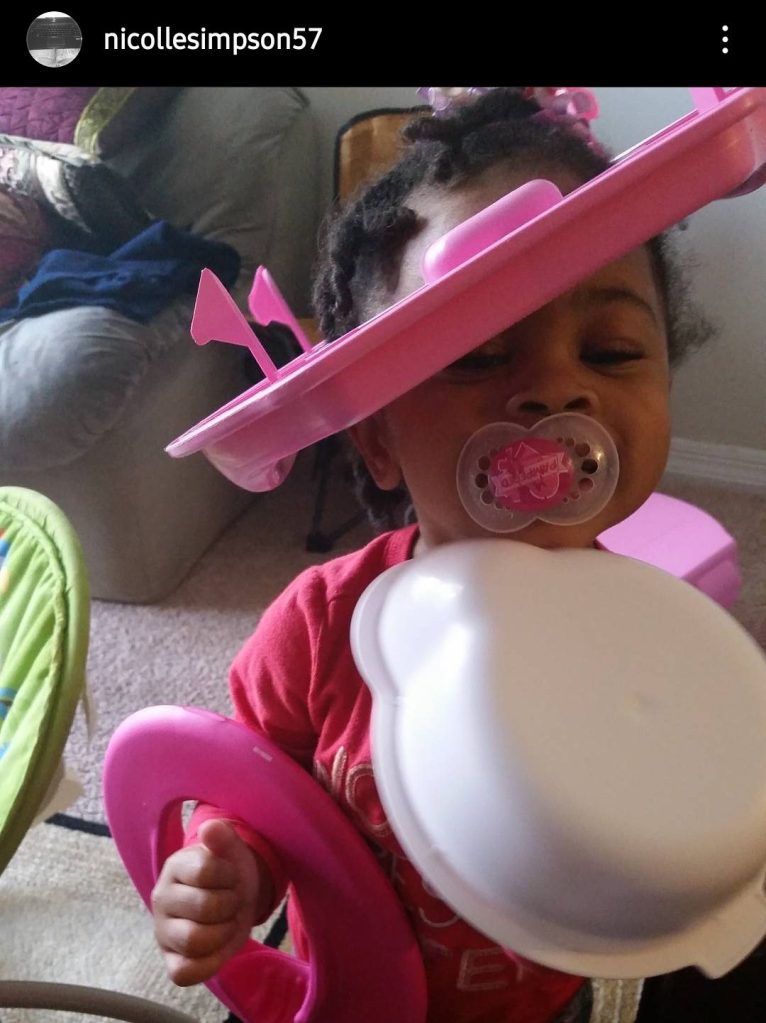
A funny consequence of introducing my children to the toilet early was their need for more interest in using a potty chair. Either they felt like it was a toy or, in my son’s case, an insult. I support potty chairs. I like the different designs and flushing noises that have been added. It’s cute. The important thing is the placement of the potty. Although it is convenient to have the potty chair in front of the TV, entertaining your child while you handle other tasks, potty time should take place in the bathroom. The child being entertained is not the focus. Take those 10 to 15 minutes, walk them to their potty, and sit with them, using the time to talk or let them look through a book. TV, tablet, or toy is distracting.
Your child should be on the potty for at most five minutes. Anything more can seem like punishment. If they do not use the potty, have a careful eye for the signs when they need to potty. Have them revisit the potty in another 10 to 15 minutes if it is within the hour that they last ate or drank. It is frustrating to take the child off the potty just for them to have an accident a few minutes later. I know. But extending their time on the potty will not help avoid accidents. (It sounds like it should, but it does not.) A careful eye and revisits to the potty will help.
Going back to different personalities, some children will need some exceptions. For example, a potty chair in the child’s room or play area may be best for those who cannot get their timing right or if the restroom is not conveniently located near the child’s central location. Increase the potty trips for the child that is just intentionally unmotivated or defiant. The increased time going to the potty decreases their recreation time. They value their free time with their toys and imagination. Wasting that time on the potty or cleaning an accident is the last thing they want to do. For intentional accidents, there should be consequences. I have been successful in limiting my child’s free time. In addition, showing disappointment instead of frustration has more impact on a child.
***You will be able to know when it is intentional. During my senior year of high school, I cared for a child that found humor in his ‘accidents.’ His parents warned me. They smirked while showing me the location of the cleaning products. Their son would take off his pamper and ‘handled his business’ wherever he chose, then made the cutest face while showing where he did it. Afterward, he would bring a pamper, lay on the floor, and wait to be changed. Amazing, right? I considered it a behavioral problem and outside the scope of my job when I was hired. However, after a few weeks of him cleaning up after himself and recognizing his signs of mischief, on my shift, he stopped the intentional accidents. In hindsight, it was more attention-seeking than anything. As an employee, I respected their parenting choice to use pampers, but I still used timing routines. While increasing his potty-time frequency, I found out he preferred using the toilet versus the potty chair. Knowing their child’s personality and creating a routine catered to him sooner would have helped them years ago. Oh, I forgot that their son was almost four years old. ***
Every successful potty trip deserves a potty dance and/or song to celebrate their accomplishments, but, to me, that should be the extent of the praise. (FYI, my dance celebrations are always fun and leave my child wanting to do it!!) Potty dolls and toys are unnecessary, but it is up to you and your wallet. Potty time is not supposed to be fun. This is the opinion of this old-school mother. The most I have done is let them make more bubbles when they washed their hands.
Potty training will take time and commitment. Your patience and consistency will contribute directly to the success of your child’s potty training. In the instances of accidents, it is okay to be frustrated. Talk with your child and show disappointment and not anger. Let them know that it is a team effort. Realize and acknowledge when you have dropped the ball, like with timing.
Good luck, Mom!

